The Psychology of Little Treats: Why Small Comfort Purchases Are Not The Problem (And What To Do When They Start Sneaking Up On You)
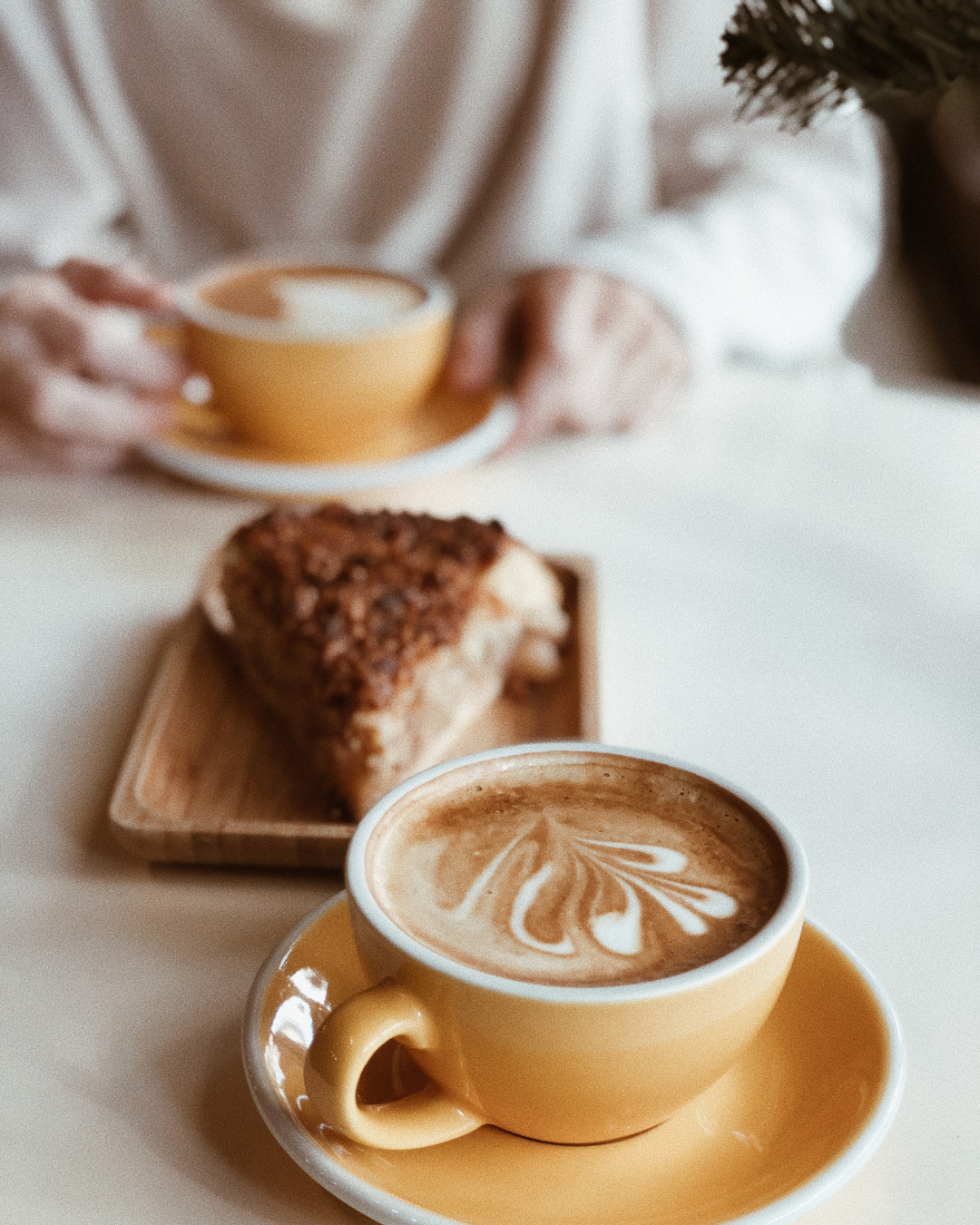
Every generation has its villain. Once upon a time it was avocado toast. Before that it was lattes. At one point it was scented candles. More recently, it is anything that brings you two minutes of joy for under a tenner.
If money conversations online are to be believed, your entire financial future hinges on whether or not you buy a £3.50 pastry.
This, of course, is nonsense.
Little treats have been unfairly blamed for everything from rising debt to a lack of discipline. In reality, they are one of the most predictable, harmless and psychologically normal parts of human spending. Everybody does it. Everybody has their go-to comfort purchases. Everyone has bought something on a day when life felt too long and they needed something small to soften the edges.
The real issue is not the treat. It is the story we attach to it. So let us pull the whole thing apart in a calm, grown up way and finally answer the question: why do little treats feel so good, and when do they actually become a problem?
Little treats are tiny emotional regulators
A “little treat” is rarely about the item itself. It is about the emotional shift. You are not buying a coffee. You are buying a moment of relief. You are buying a small hit of comfort. You are buying a pause in the day. You are buying something predictable in a world that rarely feels predictable.
Human brains love small, reliable rewards. They give a burst of pleasure, a bit of stability and a feeling that life has some softness left in it. A low-cost treat is one of the easiest ways to get this feeling without creating problems. It is far healthier than bottling everything up or exploding later.
In behavioural terms, it is emotion soothing rather than emotional avoidance. A tiny reset button. A cue to breathe again.
That is why the “skip your coffee and be rich” narrative has never made sense. Those tiny comforts serve a purpose. Removing them does not save your financial life. It just removes one of your coping strategies.
The real reasons people rely on little treats
Not all treats come from the same place. Understanding the root makes it much easier to manage your spending without guilt.
1. You are tired
When you are tired, your brain wants quick comfort. A small treat requires no effort. It gives a tiny lift at the exact moment you need it.
2. Your day feels flat or heavy
Little treats add micro moments of joy into days that feel repetitive or draining. They punctuate the monotony.
3. You feel disconnected from yourself
Treats often create a sense of “I matter too.” It is a very normal response to feeling overlooked or overstretched.
4. You grew up without many treats
For people who experienced scarcity, little treats can feel like independence and safety rolled into one.
5. You are using them as transitions
Coffee before work. A snack after school run. A treat on the way home. These rituals work like anchors in your day.
None of these reasons are dramatic. They are small, human, understandable moments. Little treats exist because life is demanding and people need small breaths of relief.
When treats become leaks rather than comforts
The psychological purpose of treats is not the issue. The issue is frequency. A £3 treat is harmless on its own. Five of them a week when you are already stretched thin can become a money leak in the system.
The tipping point is not the price. It is the emotional intention. A treat becomes a leak when:
it is happening out of habit, not choice
it is covering up stress that needs addressing
it is your only coping strategy
you are surprised by how often it has happened
it is drifting into autopilot territory
Most treat leakage happens quietly. You stop noticing the purchases, and they blend into the background of “how life feels.” That is the moment where clarity helps.
This is not about cutting treats. It is about making them intentional instead of accidental.
Why restriction does not work
People try to deal with treat spending by banning treats altogether. This never lasts. Restriction increases craving, increases guilt, increases impulsivity and increases the likelihood of a bigger spending rebound later.
Treats are not the problem. Treat blindness is the problem. When you do not realise how often you are using them, you cannot connect them to the emotional need underneath.
And when you do not understand the need, you cannot meet the need in a way that feels supportive rather than reactive.
A healthier way to manage treats: the “Treat Budget Loop”
Instead of restricting, here is a simple loop that works with human behaviour rather than against it.
Step 1: Notice the cue
Ask yourself what you were feeling right before the urge. Tired? Bored? Overwhelmed? Stressed? Flat?Restless?
This one step alone breaks the autopilot.
Step 2: Ask “Tiny treat or tiny support?”
Sometimes you genuinely need the treat. Sometimes you need something else.
tired = rest, water, food
stressed = walk, breath, pause
bored = break up the routine
overwhelmed = slow down, simplify, get help
If the treat still feels right after the pause, it is a conscious choice.
Step 3: Give yourself a weekly treat budget
Not to restrict, but to give treats a home. When they have a place in your spending structure, they stop leaking out of every corner.
A treat budget can be £5 or £20 or £50 depending on your life. The amount does not matter. The intention does.
Step 4: Make it satisfying
A treat is supposed to feel good. If you are buying something out of habit and barely enjoying it, switch it. Upgrade it. Choose treats that genuinely lift you.
This turns treat spending into something intentional and joyful instead of something reactive and forgettable.

Why treats matter more than people realise
There is a reason people feel defensive when financial advice tries to take away their small comforts. Those comforts often represent:
a feeling of normality
a moment of grounding
autonomy
self worth
safety
stress relief
small pockets of pleasure
a break from monotony
People do not spend on little treats because they are careless. They spend on them because they are trying to cope with everyday life.
Understanding this removes the shame completely. And when shame disappears, better decisions appear naturally.
The deeper layer: treats and identity
Little treats often reinforce the feeling that you still have a bit of “you” left. They are tiny identity signals.
For example:
“I am someone who looks after myself.”
“I deserve something nice today.”
“I get to choose things for myself.”
“My day is not only about responsibility.”
Treats are tiny acts of agency. When life feels out of your control, these micro-decisions help balance it.
Again, none of this is a problem. It becomes a problem only when you lose awareness of how often it is happening.
How to keep treats enjoyable without letting them run the show
A calm and practical approach works best.
1. Keep a small, protected treat budget
This gives you freedom without chaos.
2. Make treats conscious, not reactive
Ask yourself why you want it. Not to judge, but to understand.
3. Aim for satisfaction, not just distraction
If the treat is not lifting your mood, change the treat.
4. Let treats be one of your coping tools, but not your only one
Add other supports so treats are a choice, not a need.
5. Track patterns, not pennies
It is the pattern that matters. Not the exact price.
The outcome
When you understand the psychology behind little treats, they stop feeling guilty and start feeling intentional. You stop worrying about every coffee. You stop thinking your future depends on denying yourself joy. You stop feeling frustrated by treat spending because you finally understand what purpose it serves.
Treats become something you enjoy, not something you hide from yourself.
You can have a financially stable life and still buy the pastry. You can save for your future and still grab a coffee after a rough morning. You can be responsible and still have tiny luxuries that brighten your week.
Spend Like You Mean It is not about deprivation. It is about understanding why you do what you do, and then making choices that support the life you actually live.
